Don Rauf Author Don Rauf has been a freelance health writer for over 12 years and his writing has been featured in HealthDay, CBS News, WebMD, U.S
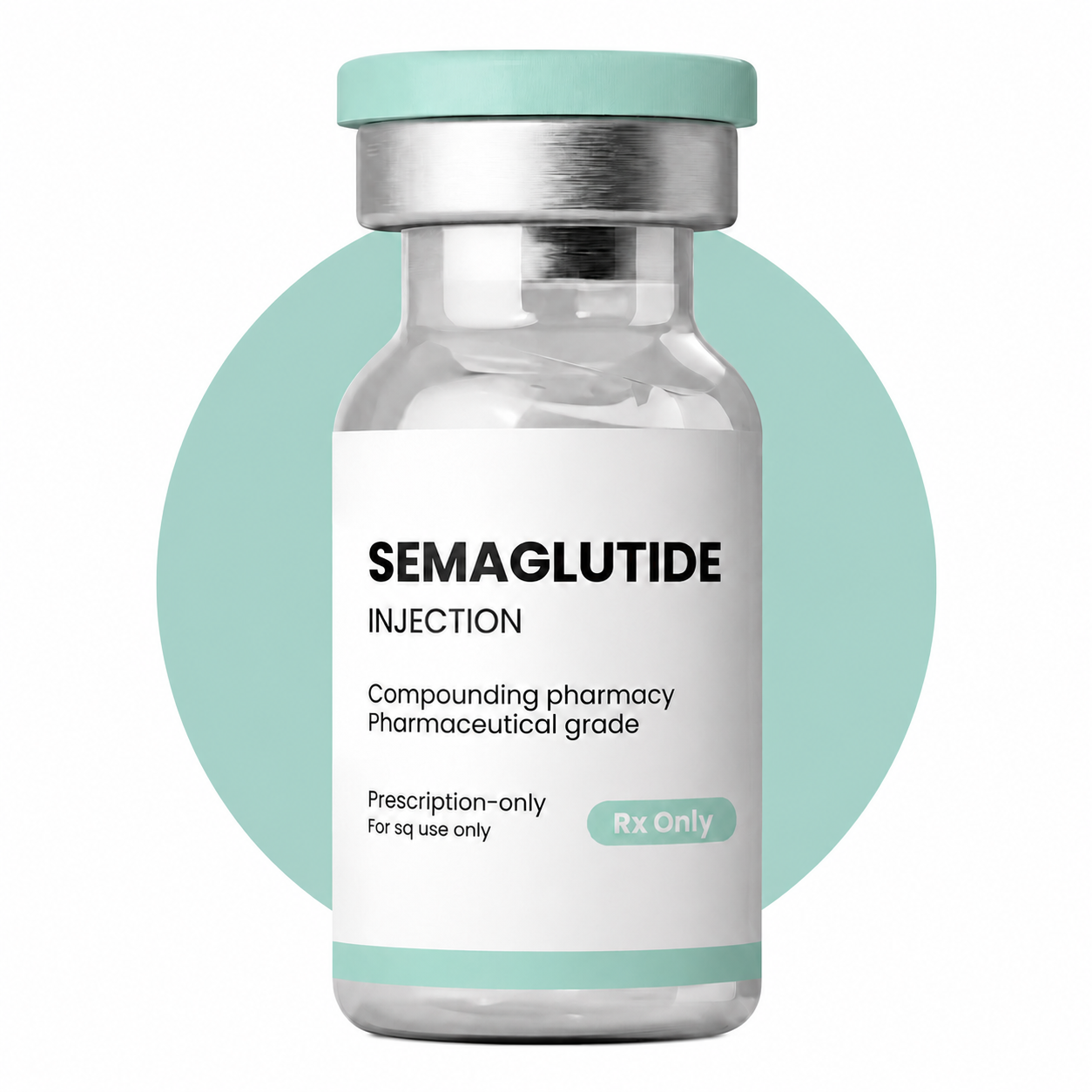
Risks include variable potency, inconsistent purity, sterility issues, incorrect excipients, improper storage, and inadequate safety reporting by the manufacturer
Factors That Affect Testosterone Production Several factors directly influence testosterone levels: Blood flow to the testes: Adequate vascular perfusion is necessary for Leydig cell function Inflammation: Chronic systemic inflammation suppresses HPG axis signaling (Tremellen, 2016) Oxidative stress: Excessive reactive oxygen species damage Leydig cells and impair steroidogenesis Sleep quality: Testosterone production peaks during deep sleep (Leproult & Van Cauter, 2011) Body composition: Excess adipose tissue increases aromatase activity, converting testosterone to estrogen Nutritional status: Deficiencies in zinc, vitamin D, and magnesium impair testosterone synthesis This is where BPC-157 becomes relevant to the conversation not because it directly produces testosterone, but because it may influence several of these upstream factors
Semaglutide may limit fetal growth, but research is limited and primarily from animal studies
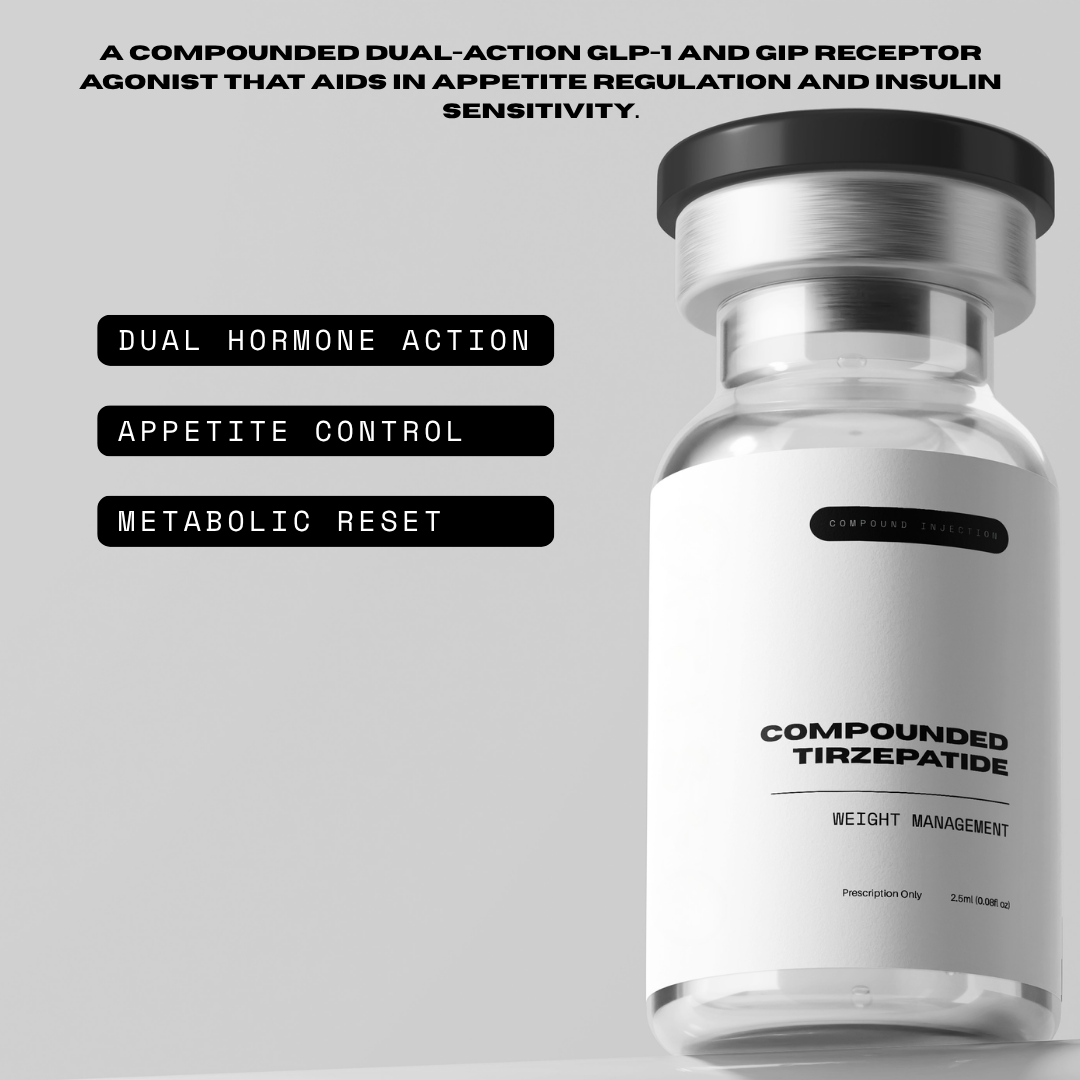
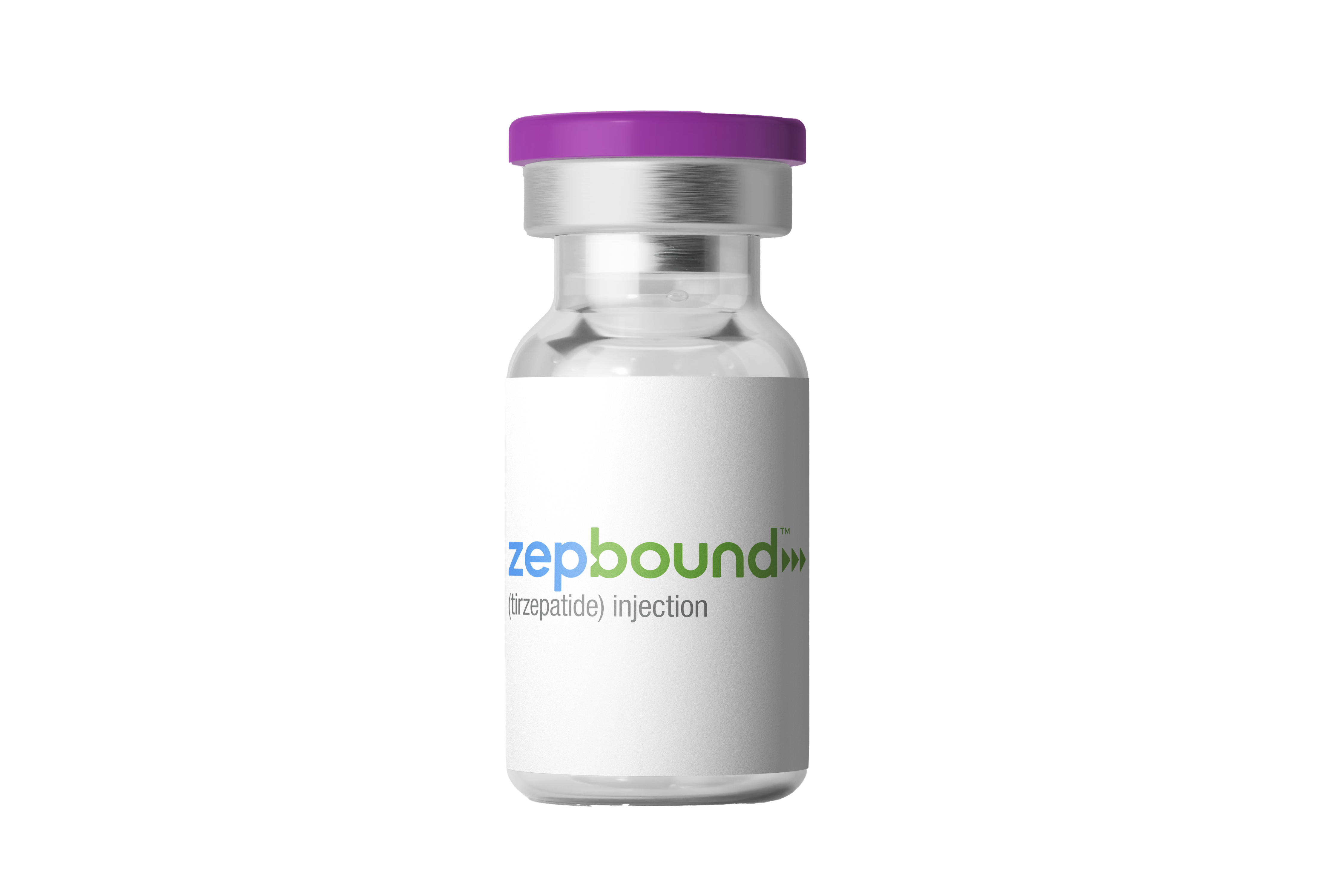
Dual Hormone Action: Targeting GIP and GLP-1 for Maximum Effect Tirzepatide is known as a dual GIP/GLP-1 receptor agonist, which means it activates both of these hormone pathways in the body