Research Applications Cagrilintide has been employed in the following laboratory research contexts : Obesity and Metabolic Research: In vitro assays and rodent models examining amylin-receptor pharmacology , energy homeostasis , and adipose tissue signaling Glycemic Control Models: Studies of post-prandial glucose dynamics and glucagon secretion in pancreatic islet and hepatocyte systems Combination-Peptide Research: Exploratory studies assessing synergistic or comparative effects with incretin peptides, including GLP-1 receptor agonists Feeding-Behavior Studies: Assessment of meal patterns, appetite-related hormones, and hypothalamic gene expression in controlled feeding assays Pharmacokinetics and Formulation Development: Analytical validation of extended half-life , peptide stability , and delivery-vehicle performance Institutions that order cagrilintide peptide commonly use it for mechanistic and comparative research rather than therapeutic evaluation

- People with significant liver disease (the 9-month monkey toxicology study showed dose-dependent periportal vacuolation in hepatocytes that the FDA flagged as a possible safety signal)
General cautions for growth-hormone-stimulating peptides include active cancer, since raising growth hormone and IGF-1 is a theoretical concern with malignancy, as well as pregnancy and breastfeeding, and caution with conditions affected by blood sugar or fluid balance
( 2 ) In this guide, well further explain what HCG is and how it can be used with TRT
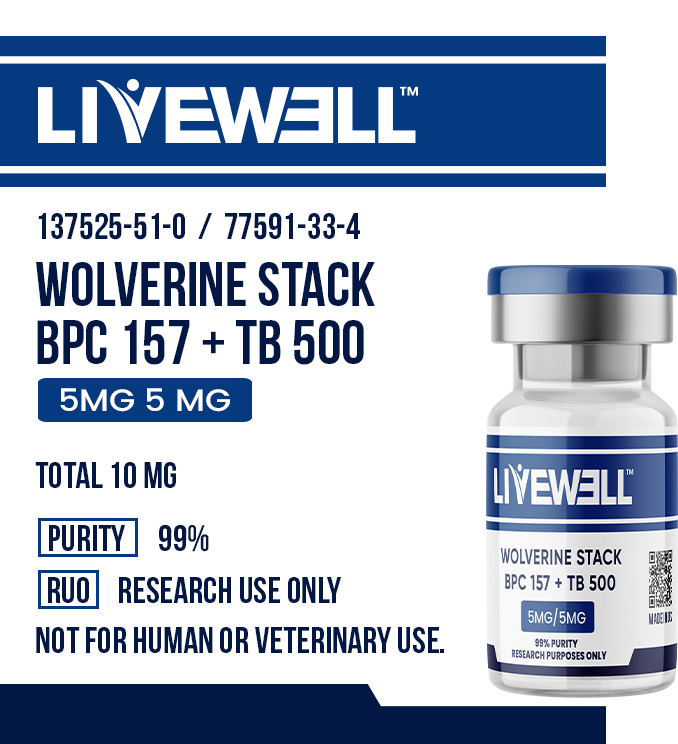
The combination treatment was associated with improved outcomes, providing the first documented head-to-head comparison of the Wolverine Stack pairing versus its individual components in a clinical observational context