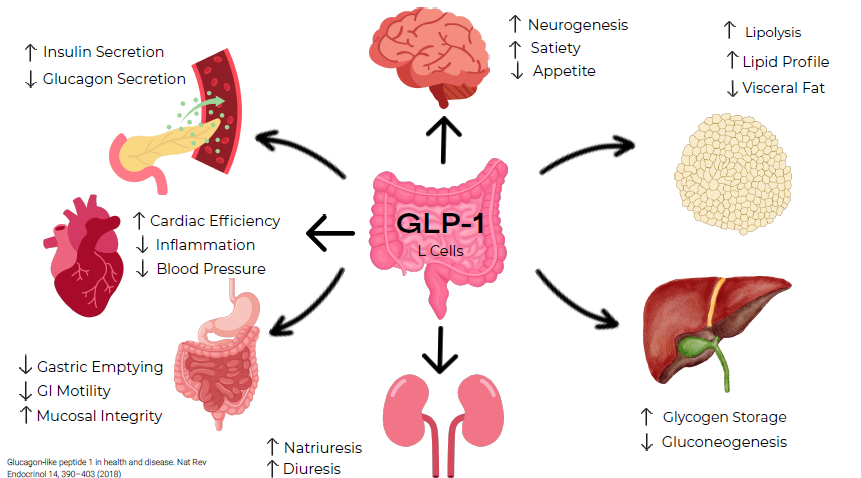
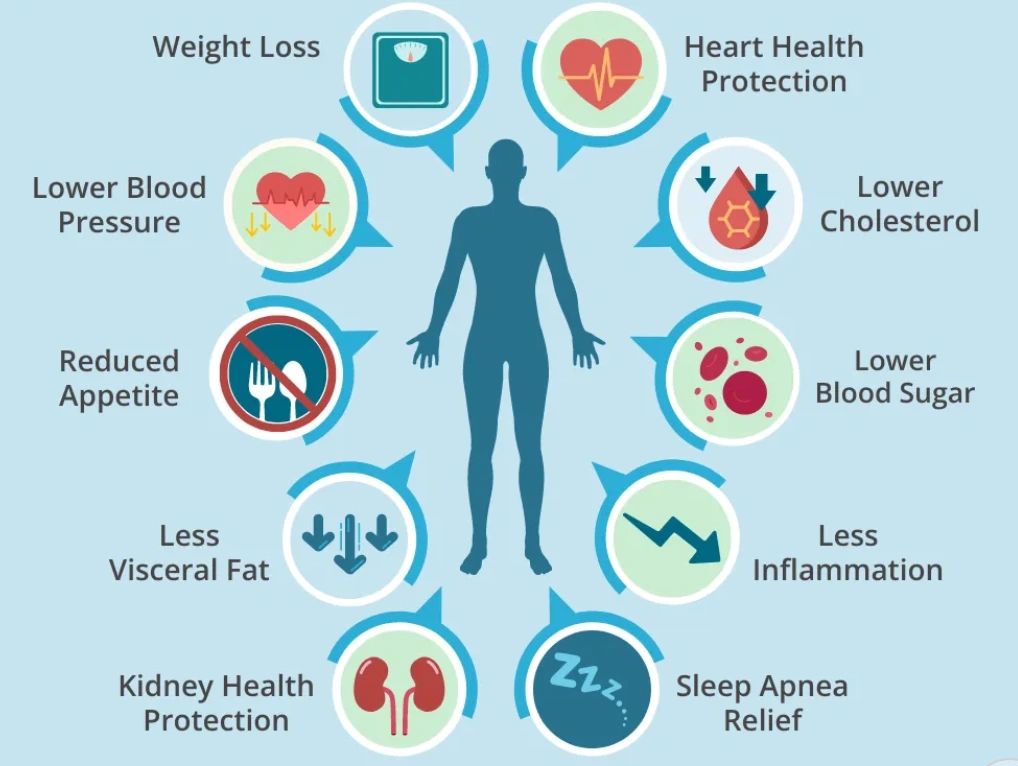
Foods That Help Manage GLP-1 Side Effects Foods to Eat: For nausea: Ginger tea, plain crackers, white rice, bananas For constipation: Prunes, chia seeds, leafy greens, whole grains For energy: Lean proteins, quinoa, Greek yogurt, eggs For hydration: Watermelon, cucumber, bone broth, coconut water Foods to Avoid: Trigger nausea: Fried foods, spicy dishes, strong-smelling foods Worsen constipation: Processed foods, excessive dairy, white bread Cause bloating: Carbonated drinks, beans, cruciferous vegetables Delay stomach emptying: High-fat meals, large portions, alcohol Staying Alert for Adverse Interactions With Other Prescribed Medications in GLP-1 Therapies As with any sort of drug, GLP-1 receptor agonists have risks that sometimes only surface in interactions with other kinds of drugs
Comparison of Human, Porcine and Salmon Synthetic Calcitonins in Man and the Rat
C., & Ballard, F
While oral glutathione supplements are commonly marketed for their health benefits, they are largely ineffective as they are not absorbed by the body
Animal studies have shown thyroid C-cell tumours with some GLP-1 receptor agonists, though the relevance to humans is uncertain