Three different tests: Tendon outgrowth , how many cells grow out from a piece of tendon in the dish Wound healing assay , cells are grown as a monolayer, you make a scratch in it and observe how quickly it closes Cell survival , you add peroxide (oxidative stress, which normally kills cells) and observe how many survive What they found: Tenocytes grew faster and in a dose-dependent curve (the more BPC-157, the more growth) The scratch closed 1.8 faster at 1 g/ml BPC-157 Under oxidative stress, 22 % of cells survived without BPC-157, but 67 % with BPC-157 When they blocked the FAK enzyme, the effect disappeared mechanism confirmed Why it matters: This is not just a systemic effect via blood, BPC-157 directly modifies the biology of an individual cell
Virginia Beach Aesthetics and Med-Spa Services Looking for non-surgical regenerative aesthetic treatments to enhance your natural beauty
now they routinely break out
Notably, all patients had previously been treated with pentosan polysulfate, which is currently the only FDA approved treatment for interstitial cystitis, and had not responded
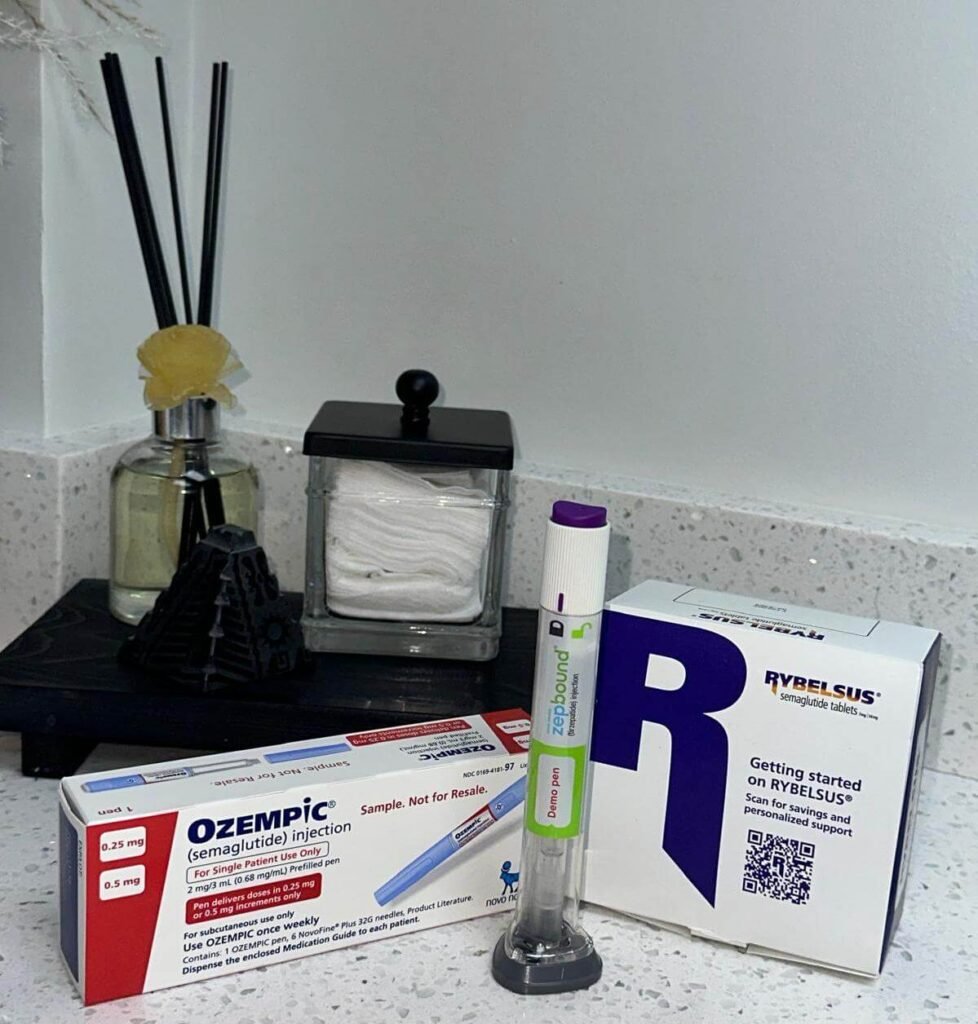
Both of these injections are used for separate purposes and have different formulations, despite the common misconception that they are the same