In animal models, BPC-157 has been associated with: Faster healing of gastric and intestinal ulcers Strengthened intestinal barrier (leaky gut repair) Reduced damage from NSAIDs and other chemicals or toxins that irritate the gut Modulation of immune and inflammatory responses in the GI tract The gut plays such a huge role in nutrient absorption, immune function, and even mood regulation that the idea of gut-healing peptides has become a major focus in wellness and medical circles
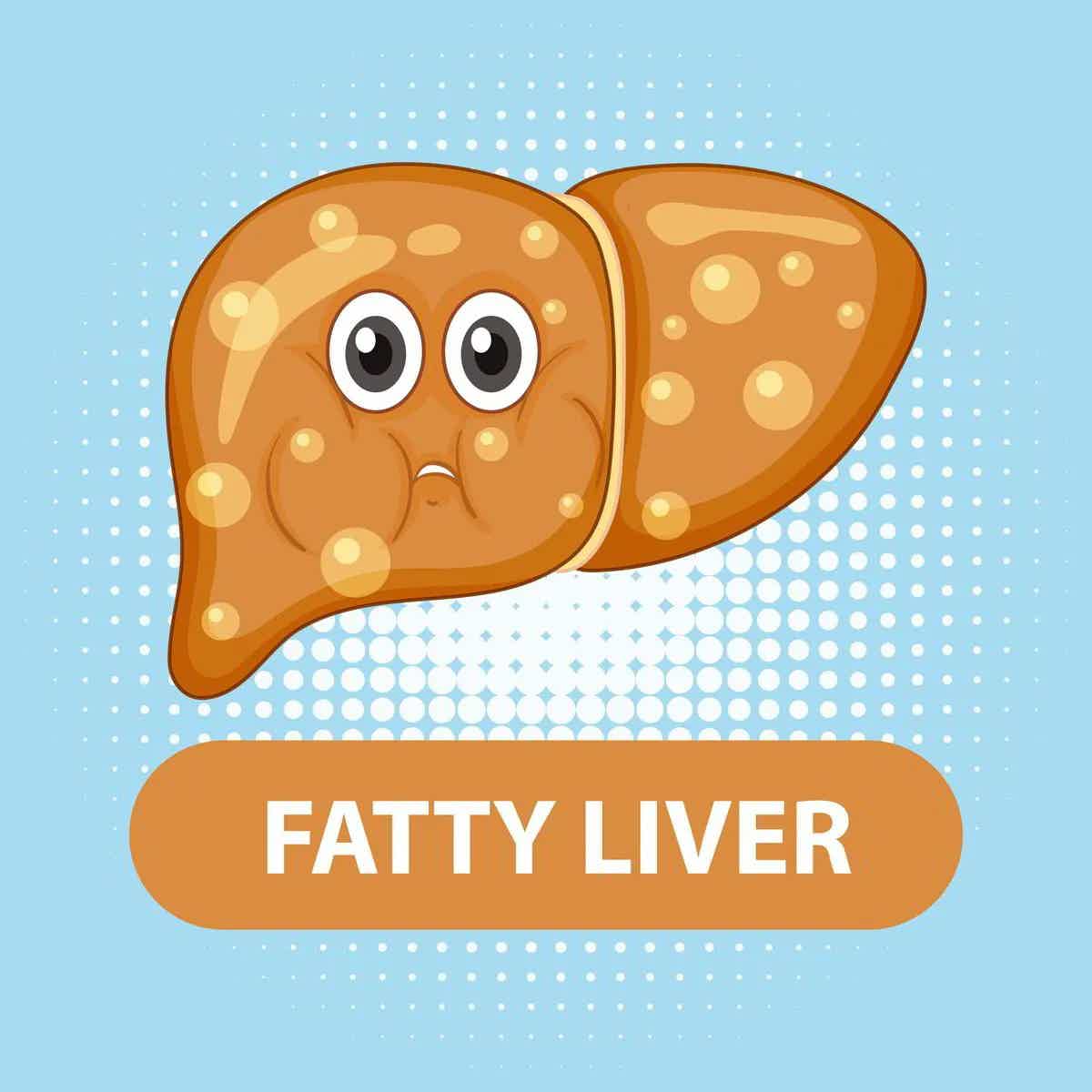
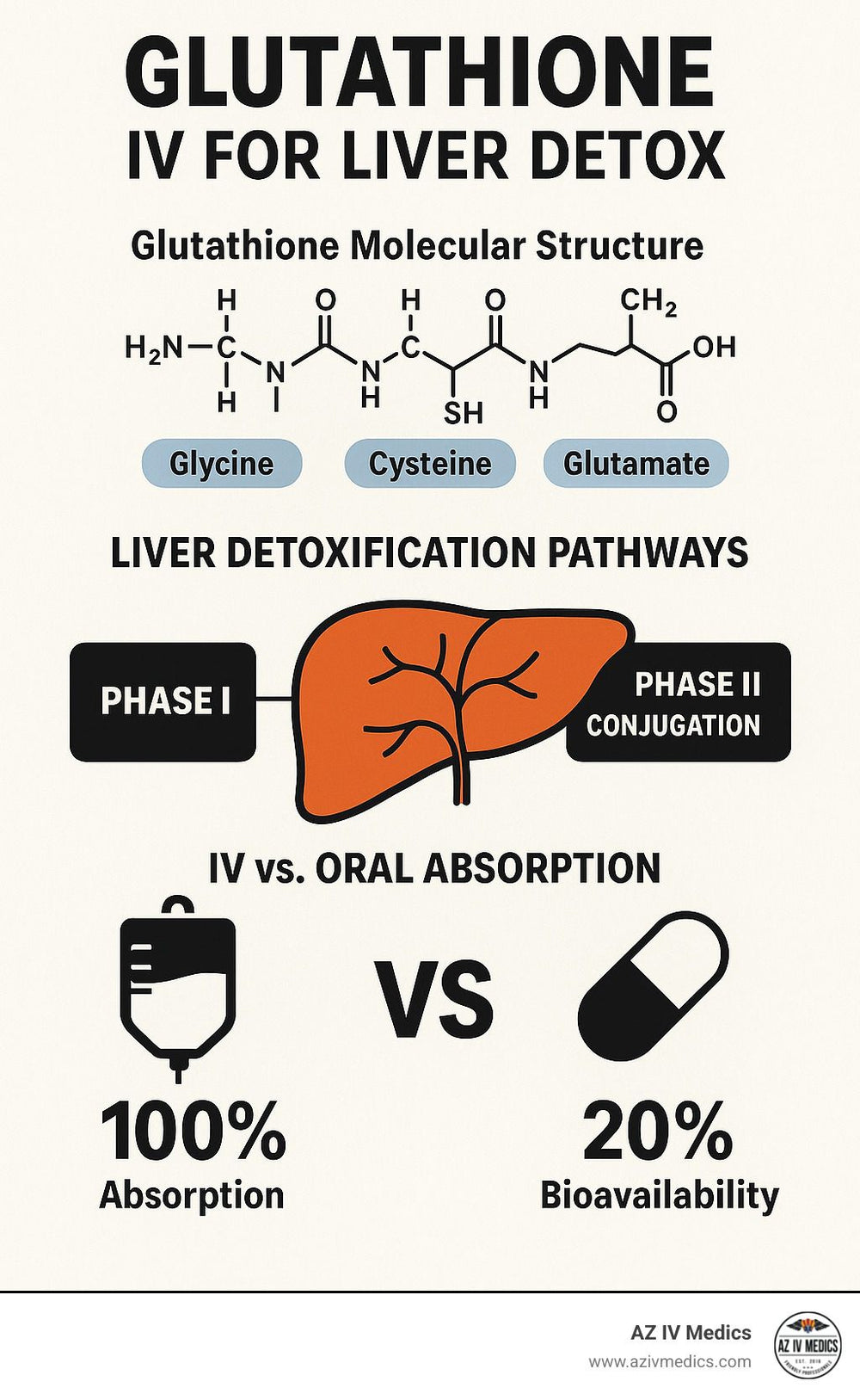
Moreover, it minimizes oxidative stress by promoting a healthier liver function and preventing the progression of liver damage over time
Already see a difference in my complexion
Initially patients notice that their bodys ability to metabolize fat improves
Tendon injuries: Achilles, patellar, rotator cuff, and deltoid tendons, particularly suited to BPC-157 due to tendons' limited blood supply and the peptide's VEGF-driven angiogenic effects Fractures: hairline and stress fractures where bone remodeling and callus formation are the primary repair requirement Muscle strains: sport and exercise-related strains where inflammatory modulation and tissue repair are the goal Wrist and soft tissue injuries: impact injuries and general soft tissue damage Musculoskeletal trauma is one of the most frequent clinical indications for BPC-157