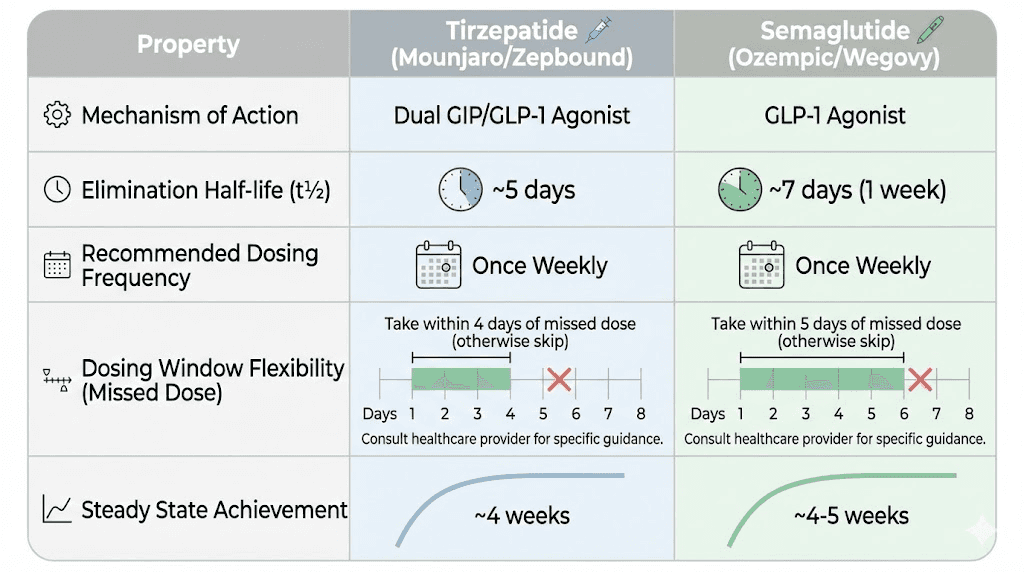
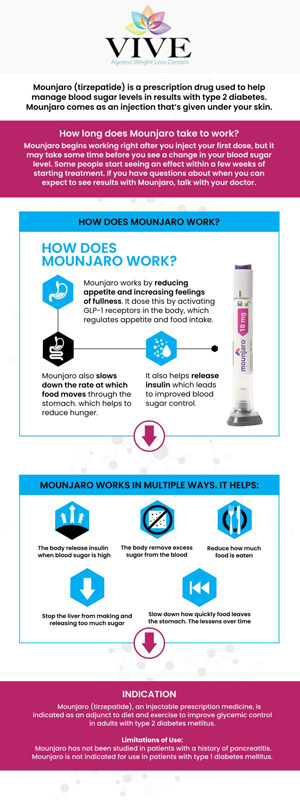
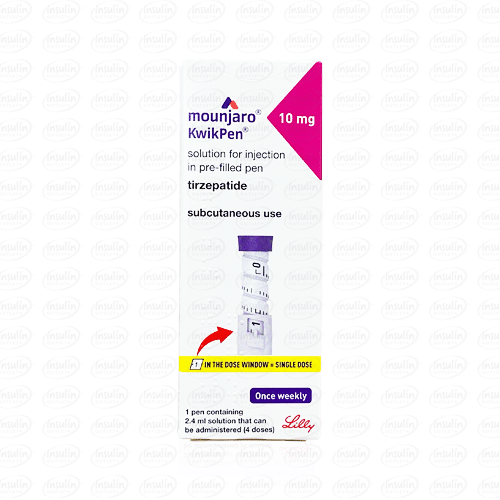
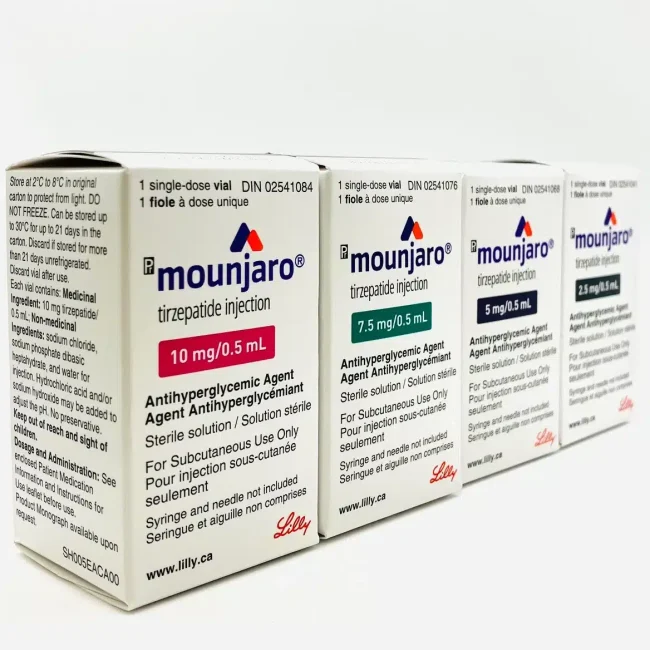
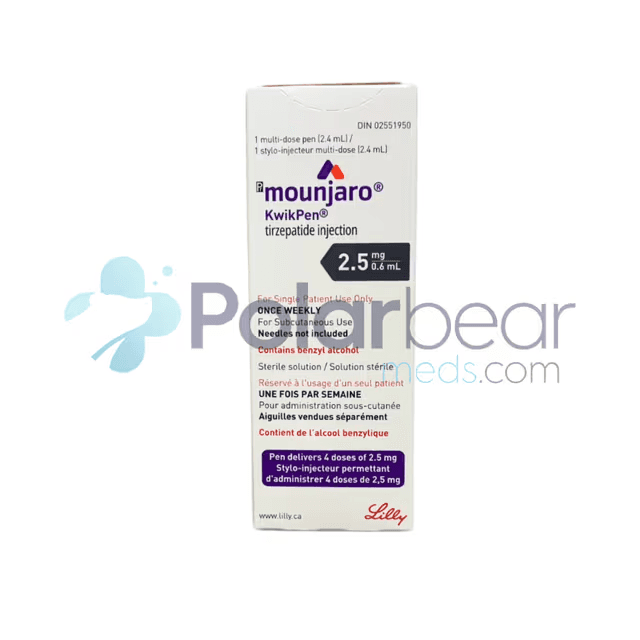
One day early vs two days early: where the risk threshold sits The safety calculation changes as you move further from your scheduled day: One day early (day 6 of 7): Blood level difference: approximately 7% higher than intended trough Side effect risk: minimal increase Efficacy impact: none Clinical recommendation: safe for one-time adjustment Two days early (day 5 of 7): Blood level difference: approximately 15% higher than intended trough Side effect risk: modest increase, especially if you're already experiencing nausea Efficacy impact: none Clinical recommendation: acceptable if unavoidable (travel, medical procedure), but not ideal for routine adjustment Three or more days early (day 4 or earlier): Blood level difference: 25%+ higher than intended trough Side effect risk: significant increase in nausea, vomiting, diarrhea Efficacy impact: none, but tolerability suffers Clinical recommendation: contact your provider before dosing The threshold between "safe" and "risky" sits between days 5 and 4

Route of Administration: Given through IV (intravenous) or IM (intramuscular) injection Methylcobalamin Injection (B12) FAQs Doctors may stop B12 injections if a patients levels are stabilized, if they switch to oral supplements, or if there's no clear deficiency
Microbial-derived metabolites as a risk factor of age-related cognitive decline and dementia
Add two to three sessions of resistance training per week, focusing on progressive overload and compound movements to preserve and build lean mass while you lose fat
For those looking for immediate support during their journey, we also offer quick-access supplements that do not require a quiz