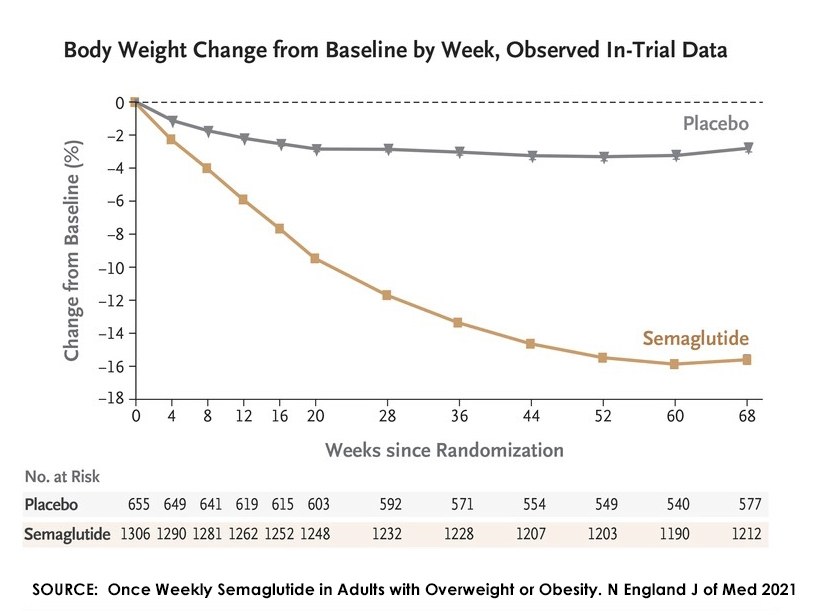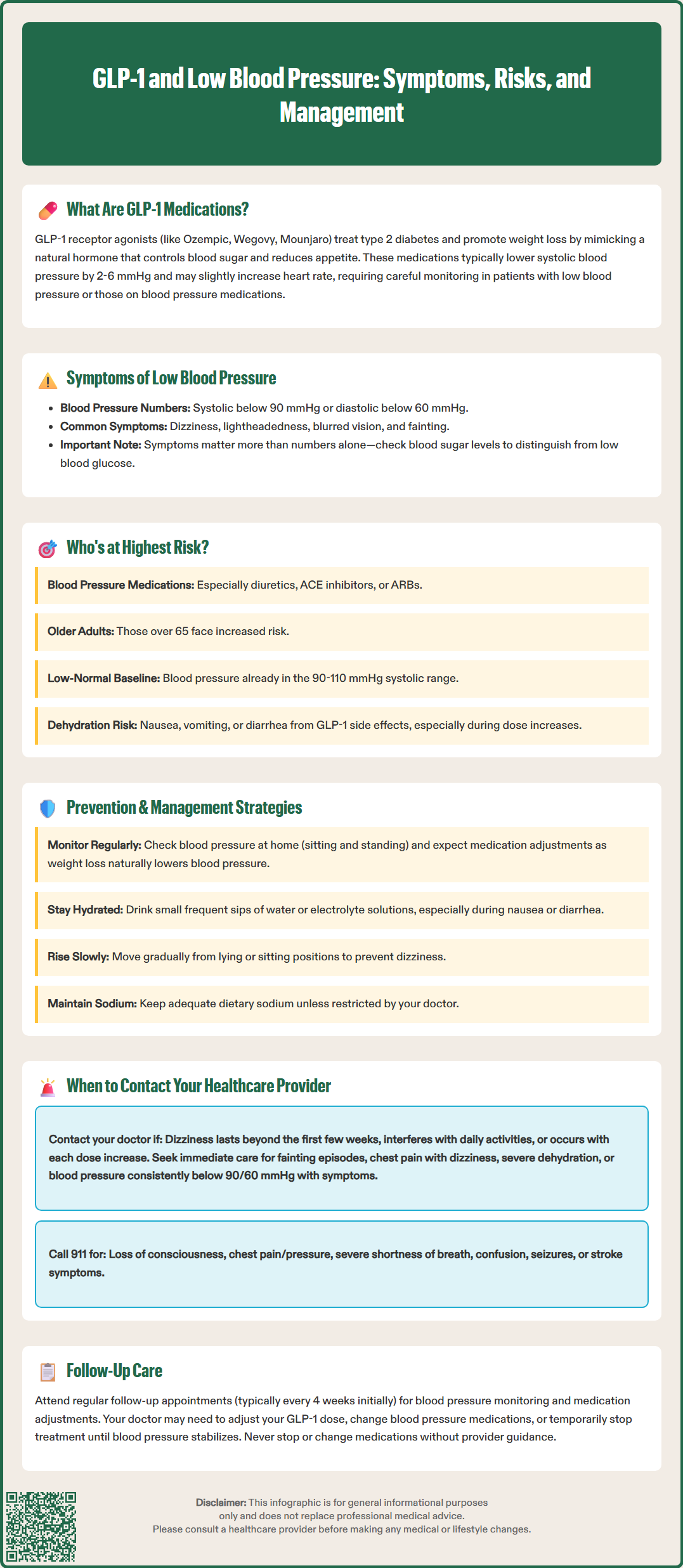
For diabetes, GLP-1 drugs like semaglutide are considered second-line treatments
Mechanism literature Multiple peer-reviewed papers describe VEGFR2 activation, eNOS/NO signaling, and tendon-cell behavior in cultured cells and rodent models (Chang et al., Journal of Applied Physiology, 2011
10.1080/13510002.2020.1787662 201 MurphyM
But because it modifies cellular growth, its critical to use it with caution, awareness, and responsible cycle lengths
Modulation of Inflammatory Pathways GLP-1 receptor agonists work through sophisticated anti-inflammatory mechanisms: Modulation of the nuclear factor-kappa B (NF-B) pathway Reduction of inflammatory cytokine production Attenuation of oxidative stress Activation of the cAMP-PKA-dependent signaling pathway, which is crucial for anti-inflammatory effects 3