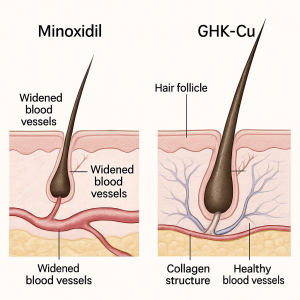
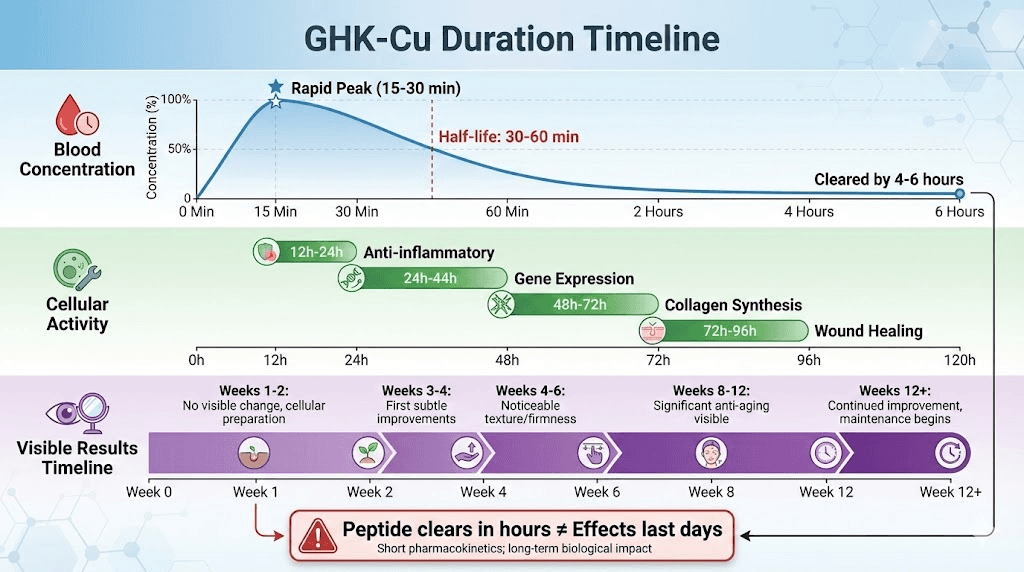
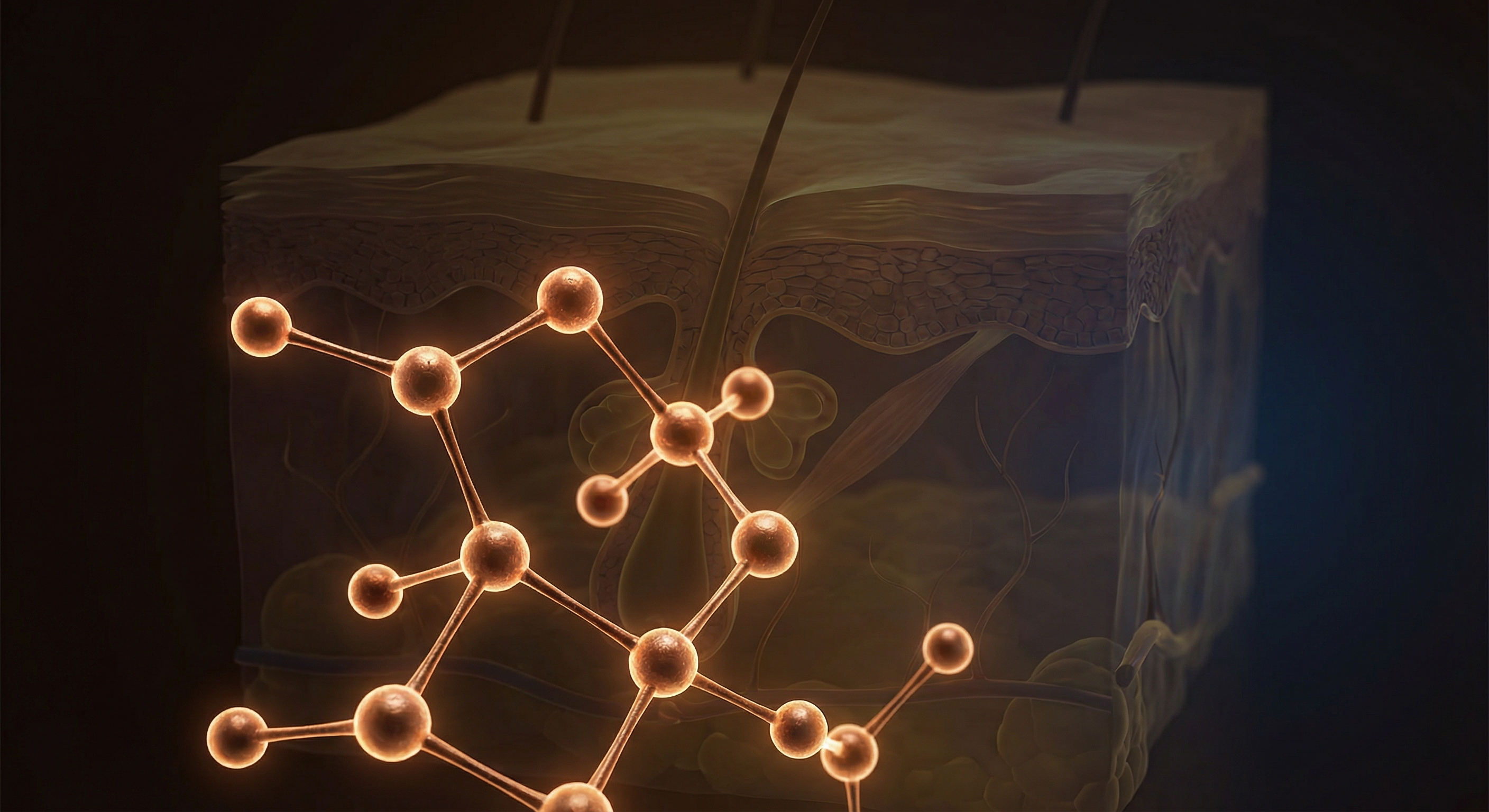
GHK-Cu acts on multiple tissue types
Key differences between cagrilintide and semaglutide Mechanism: Cagrilintide: Amylin receptor agonist Semaglutide: GLP-1 receptor agonist Different pathways, complementary effects Gastric emptying: Cagrilintide: Very strong effect (dramatic slowing) Semaglutide: Moderate effect Combined: Maximum slowing Appetite suppression: Cagrilintide: Works via amylin/calcitonin receptors Semaglutide: Works via GLP-1 receptors in brain Combined: Dual-pathway suppression Side effects: Cagrilintide: More nausea/GI effects (stronger gastric slowing) Semaglutide: Moderate GI effects Combined: Higher side effect risk but manageable Approval status: Cagrilintide: Investigational (not approved) Semaglutide: FDA approved CagriSema combination: Phase 3 trials Weight loss monotherapy: Cagrilintide alone: 10-12% body weight loss Semaglutide alone: 10-15% body weight loss Combined: 15-25% body weight loss Why combining cagrilintide and semaglutide works synergistically The combination targets weight loss through multiple pathways

504,505,506 GLP-1 enhances the insulin signaling pathway in the liver by activating the GLP-1R, especially through the phosphorylation of insulin receptor substrates and the activation of the PI3K/Akt signaling pathway, thereby increasing hepatic insulin sensitivity, facilitating glucose uptake and utilization, and reducing hepatic gluconeogenesis
The conceivable mechanisms for the ameliorating impacts of either synbiotics or L-carnitine on obesity and glycemic/lipid indices are illustrated in Figures 3A, B
[60] and assessed the efficacy of liposomal DSP in rat adjuvant arthritis (AA)