PT-141 Investigations into Cavernous Tissues Studies have also explored PT-141 within the context of cavernous tissue physiology
Since metabolites are the final downstream products of transcription and translation, they are closest to the phenotype ( To date, to identify biomarkers for the diagnosis and treatment response of MDD, lipids ( By profiling the serum metabolites of the patients with MDD and the control group, metabolites showing differences between the groups were identified as potential biomarkers
1 Thus, numerous studies have used biotechnology to extend the half-life of GLP-1 RAs, with strategies including amino acid sequence substitution, fatty acid conjugation with a linker, fusion of albumin or the IgG fragment crystallizable (Fc) region (Figure 1)
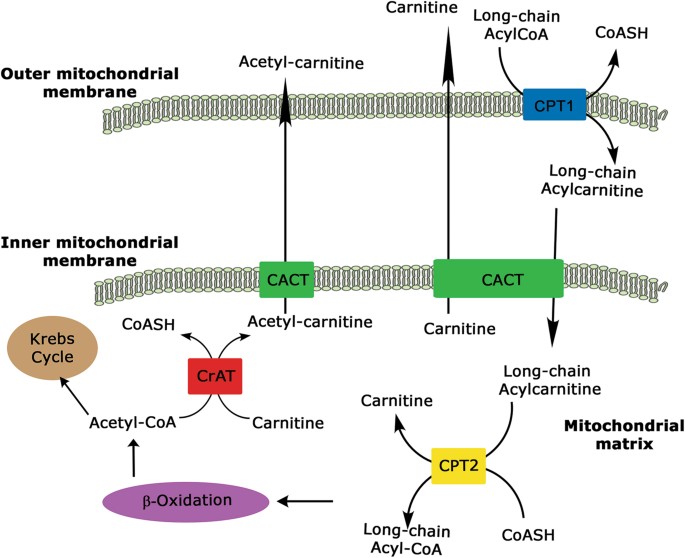
As indicated, the major function of carnitine is to facilitate the transport of long-chain fatty acids (as fatty acylcarnitines) into the matrix of the mitochondria where the carnitine is subsequently exchanged for coenzyme A
When bound by their specific target ligand, GPCRs undergo a conformational change that facilitates recruitment and activation of a G protein through the release of GDP and subsequent exchange for a GTP