You should contact your GP or prescriber if : You experience significant difficulty eating or maintaining adequate nutrition Your weight loss exceeds 0.51 kg per week consistently after the initial treatment period You develop persistent nausea, vomiting, or abdominal pain You notice significant changes in heart rate, palpitations, or blood pressure readings Sleep disturbances worsen or become unmanageable You experience mood changes, increased anxiety, or depression Side effects from either medication become intolerable You're considering adjusting the dose of either medication You are planning a pregnancy or become pregnant Before starting combined therapy , ensure your prescriber is aware of: Your complete medication list, including over-the-counter medicines and supplements Your full medical history, particularly cardiovascular, gastrointestinal, and psychiatric conditions Any history of eating disorders or disordered eating patterns Previous responses to appetite-suppressant medications Your weight management goals and expectations Family planning and contraception needs Regular monitoring appointments are important for assessing: Weight loss trajectory and body composition changes Nutritional status and dietary adequacy Cardiovascular parameters (blood pressure, heart rate) Mental health and wellbeing Effectiveness of ADHD management Blood glucose levels (particularly if you have diabetes or prediabetes) Liver and kidney function as clinically indicated NICE guidance on obesity management (TA875) and ADHD (NG87) emphasises the importance of comprehensive care

It captures the magic of standing across the room from someone who understands you, and they give you a wink: a quiet signal that youre on the same team
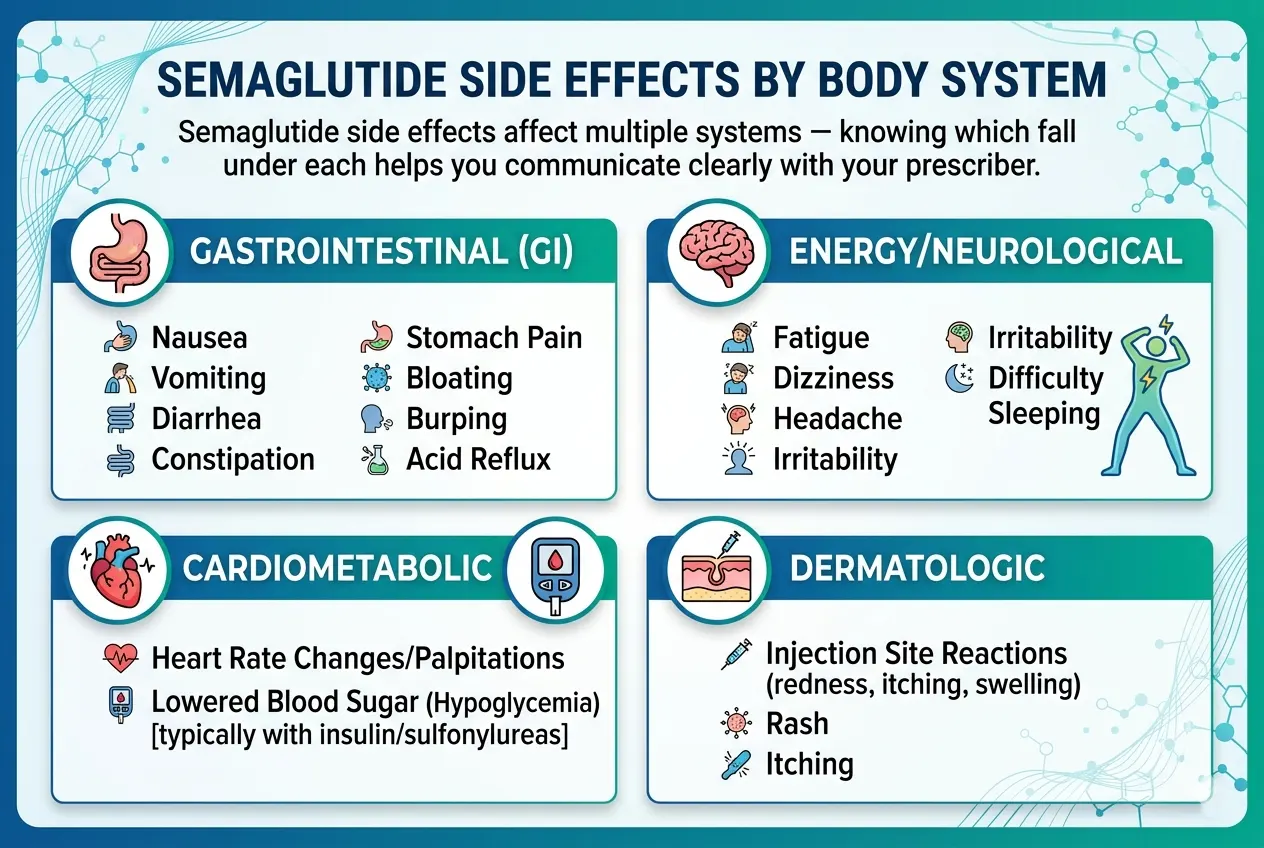
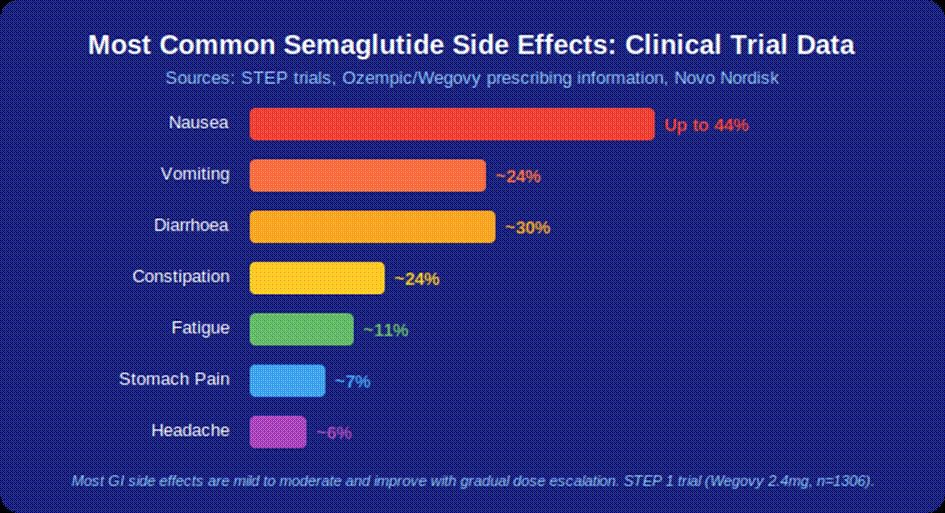
Routine follow-up should address ongoing GI symptoms affecting quality of life, even if not severe
The drug has one Phase 3 readout
Fachkrftemangel und steigender Preisdruck sind nur zwei Beispiele der Probleme, fr welche Bckereien in Deutschland kreative Lsungen finden mssen