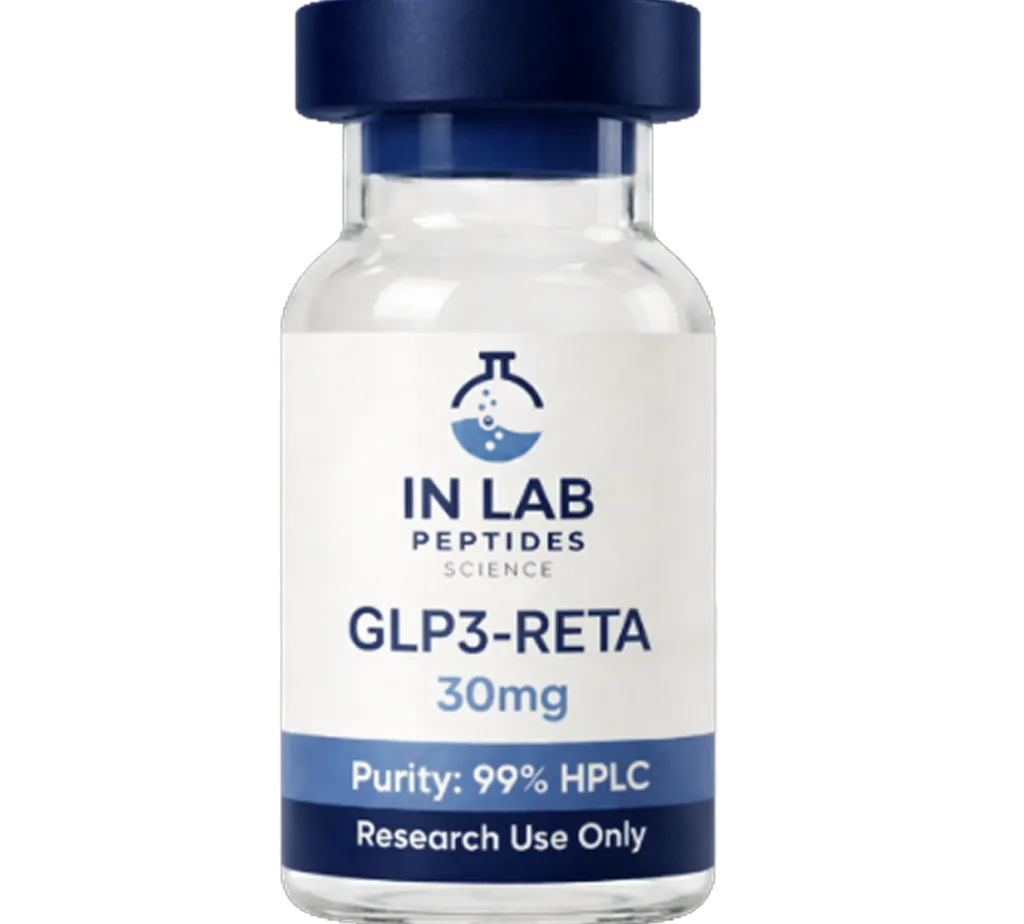
Avoid repeated freeze-thaw cycles, as these can degrade the peptide
The potential side effects of the FOXO4-DRI peptide include treatment-emergent adverse events such as upper respiratory infections, bronchitis, and gastrointestinal issues like nausea and diarrhoea
I have been coming here for a long time and I come here every once in a while

Related Topics BPC-157 + TB-500 for Injury Recovery combination protocol for musculoskeletal healing BPC-157 + TB-500 Dosing Calculator BAC water and per-vial draw for the Wolverine Stack GLOW Protocol Guide multi-peptide blend featuring BPC-157 for skin GHK-Cu Guide often combined with BPC-157 for tissue quality NAD+ Guide cellular energy support for recovery Thymosin Alpha-1 Guide immune modulation through Treg expansion TB-500 Guide Standalone Thymosin Beta-4 deep-dive Where to Inject Peptides Compound-level injection guide with BPC-157 body-part breakdown Peptide Reconstitution Guide How to mix and prepare peptide vials Injury Recovery Protocol BPC-157 is core of the 3-tier injury recovery framework References Mechanism notes Angiogenic signaling BPC-157 activates VEGFR2-Akt-eNOS cascade, upregulates VEGF, promotes endothelial sprout formation and capillary network restoration: PMC8275860 Tight junctions BPC-157 increases expression of ZO-1 and occludin, sealing gaps between epithelial cells in intestinal barrier: PMC6271067 Anti-inflammatory modulation Suppresses TNF-, IL-1, IL-6 without immunosuppression

Key Takeaways GHK-Cu rebuilds skin from within : It acts as a natural signal, prompting your cells to create more collagen and elastin for improved firmness and elasticity, while also influencing genes to support healthier tissue