(2013) 'Glutathione synthesis', Biochimica et Biophysica Acta , 1830(5), 3143-3153
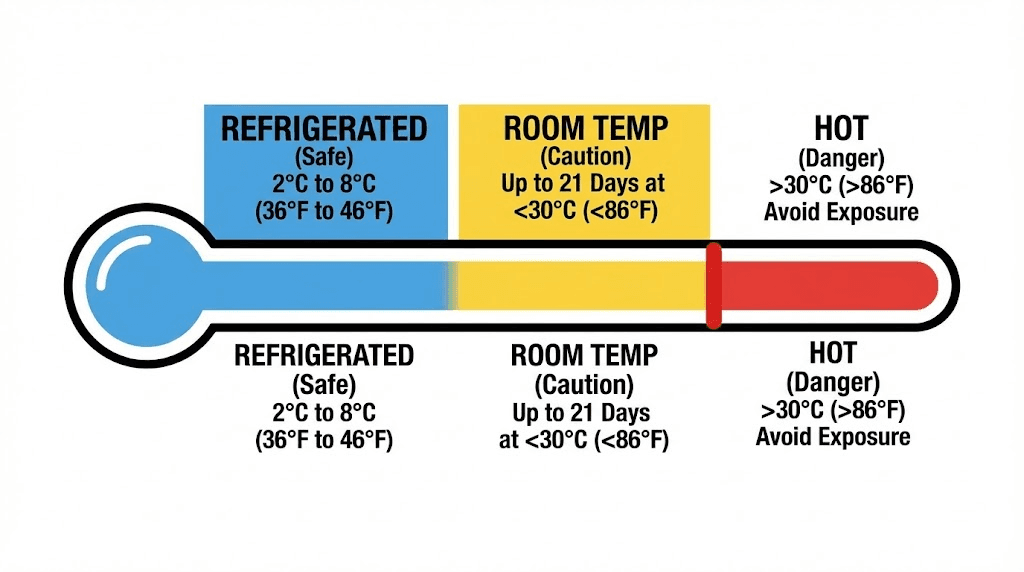
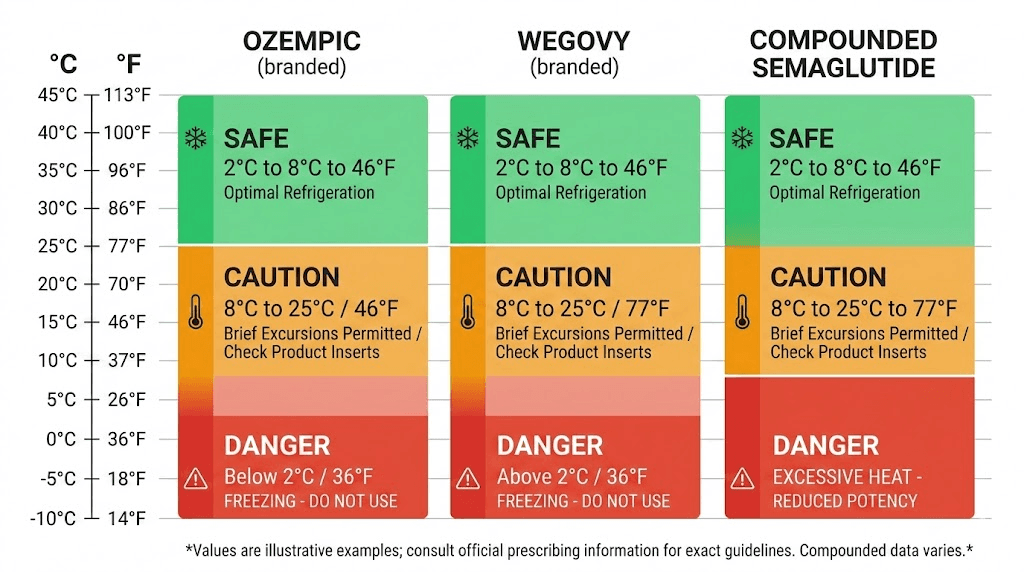
Factors that accelerate expiration Temperature fluctuations: Repeated freeze-thaw cycles very damaging Each thaw = period of degradation One freeze-thaw: Minor impact Multiple cycles: Significant loss of potency Keep frozen continuously until ready to reconstitute Light exposure: UV and visible light degrade peptides Some peptides more photosensitive (GHK-Cu) Amber vials protect partially Keep vials in boxes or dark storage Air exposure: Oxygen causes oxidation Minimize time vial is open Don't store without cap Use quickly after reconstitution Moisture exposure (for powder): Even atmospheric humidity can start degradation Keep in sealed vials always Don't open unnecessarily Store in dry environment Contamination: Non-sterile technique introduces bacteria Bacterial enzymes destroy peptides rapidly Always use alcohol wipes Never touch rubber stopper Use bacteriostatic water to inhibit growth pH extremes: Some peptides unstable at wrong pH Reconstitute with appropriate solution Bacteriostatic water usually optimal (slightly acidic) Don't mix with other substances without knowledge Shelf life before reconstitution (lyophilized powder) How long dry peptides last in different conditions

Despite these variations, the convergence of biochemical and clinical data supports a pivotal role of MI and its IPG mediators in reinforcing mitochondrial functions and mitigating OS-driven follicular dysfunction in PCOS
Tasdemir C, Tasdemir S, Vardi N, et al Evaluation of the effects of ozone therapy on Escherichia coli-induced cytitis in rat Ir J Med Sci
N-Acetylcysteine (NAC) is a supplement form of the amino acid cysteine known for: Boosting glutathione levels (the bodys master antioxidant) Protecting against oxidative stress & free radicals Supporting respiratory, immune, and liver function NAC is essential for replenishing glutathione, a critical defense against aging and disease